
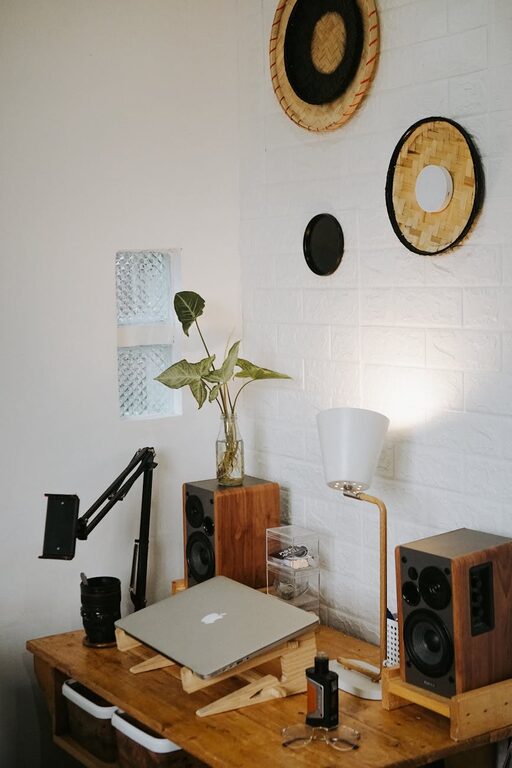
Creating a cozy and inviting home workspace is essential for staying productive, focused, and comfortable throughout your workday. Whether you work remotely full-time or occasionally need a quiet spot to catch up on tasks, an enjoyable workspace can boost your mood and efficiency. In this post, we will explore practical tips to design a home office area that feels welcoming and inspires you to do your best work.
Why a Cozy Workspace Matters
A workspace that feels cozy and inviting encourages you to spend productive hours without feeling drained or distracted. Comfort and aesthetics affect your mindset and motivation, making it easier to tackle daily tasks or creative projects. When your space is well-organized and thoughtfully set up, you reduce stress and improve workflow.
Choose the Right Location
Finding the perfect spot for your home workspace is the first step. Ideally, select a quiet area with minimal distractions. If possible, position your desk near a window to enjoy natural light, which can lift your spirits and reduce eye strain.
Consider These Factors:
– Lighting: Natural light is best, but add adjustable lamps for gloomy days or night work.
– Noise Level: Pick a space away from busy areas like the kitchen or living room.
– Ventilation: Fresh air helps keep you alert and comfortable.
– Privacy: A dedicated space signals work time and boundaries for family members.
Invest in Ergonomic Furniture
Comfort is key when you spend hours at your desk. An ergonomic chair and properly sized desk help avoid aches and strains.
Tips for Comfortable Seating:
– Choose a chair that supports your lower back.
– Adjust the height so your feet rest flat on the floor.
– Keep your arms at a 90-degree angle while typing.
Your desk should provide enough surface for your computer, notebooks, and any other tools without feeling cramped. Adjustable or standing desks offer flexibility to change positions and reduce fatigue.
Use Soothing Colors and Personal Decorations
Colors have a significant impact on mood. Soft, calming tones such as blues, greens, or warm neutrals can create a peaceful atmosphere. Bright colors can energize, but too much may cause distraction.
Add personal touches to make the space inviting without cluttering it. Consider:
– Photographs or artwork that inspires you
– Plants to bring in natural elements and improve air quality
– A cozy throw blanket or small pillow for comfort
These elements add warmth and make your workspace feel uniquely yours.
Keep Your Workspace Organized
A clutter-free space fosters a clear mind. Developing organizing habits allows you to find what you need quickly and maintain cleanliness.
Organization Ideas:
– Use drawer organizers or containers to keep supplies tidy.
– Incorporate shelves or wall-mounted storage to save desk space.
– Designate specific spots for pens, papers, and electronics.
– Clear your workspace daily to start fresh.
Labeling storage boxes and files can also save time and reduce frustration searching for materials.
Incorporate Functional Lighting
Proper lighting helps prevent eye strain and headaches. Alongside natural light, use a combination of ambient lighting and task lighting.
Lighting Tips:
– Place a desk lamp with adjustable brightness close to your work area.
– Consider warm light bulbs for a relaxed feel or daylight bulbs for focus.
– Avoid harsh overhead fluorescent lights; opt for softer fixtures or lamps.
Add Comfortable and Practical Accessories
Small accessories can improve your comfort and productivity. Here are a few ideas:
– Keyboard and Mouse Pads: Cushioned pads relieve wrist pressure.
– Cable Management: Clips and sleeves keep cords tidy and prevent tangles.
– Whiteboard or Corkboard: Quick notes, reminders, and to-do lists stay visible.
– Noise-Canceling Headphones: Useful in noisy environments for focus.
Tailor accessories to your specific needs and preferences.
Set Boundaries to Maintain Work-Life Balance
Creating a home workspace isn’t just about furniture and decorations—it’s also about mindset. Setting boundaries helps separate work time from personal time.
How to Set Boundaries:
– Define your work hours and stick to them.
– Inform household members about your schedule.
– Turn off work notifications after business hours.
– Use a room divider or door to signal when you’re working.
A clear separation between work and home life reduces burnout and improves well-being.
Final Thoughts
Designing a cozy and inviting home workspace doesn’t require a major renovation. Simple changes like selecting the right spot, adding comfortable furniture, organizing efficiently, and personalizing your space can make a big difference. Focus on a balance of comfort, functionality, and aesthetics that supports your productivity and happiness. With these tips, you can create a home office environment where you look forward to spending your work hours.
By making your workspace both cozy and inviting, you set yourself up for success, creativity, and focus—without ever having to leave your home!